
 GB · EN


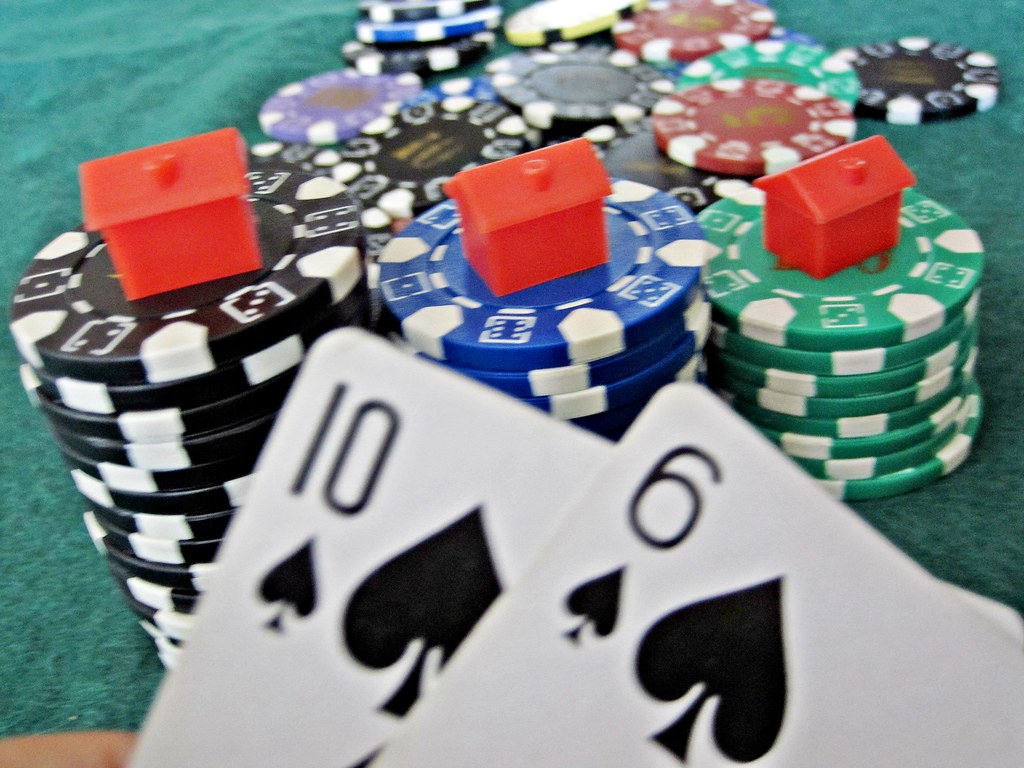
House edge is a mathematical measure of the casino's expected long-term advantage under a specific set of rules. It is useful for comparing games, but it does not predict whether one player will win or lose in a short session.
The percentage only makes sense when tied to the exact game, rules and wager type.
House edge is a long-term concept
A lower-edge game can still produce a losing session, while a higher-edge game can produce a short-term win.
The figure describes expected mathematics over a very large sample, not a guaranteed personal result.
House edge and RTP
RTP, or Return to Player, describes theoretical long-term return to players.
House edge describes the operator side of the same broad relationship.
For a simple game, a 97% RTP can be described approximately as a 3% house edge.
Why the calculation can be more complex
Some products contain:
- multiple wager types
- bonuses
- jackpots
- side bets
- player decisions
Each component can have its own mathematical profile.
Rules matter
Two tables with the same game name can have different house edges because of:
- payout changes
- extra zero pockets
- dealer rules
- commission
- number of decks
- split rules
- double rules
- side bets
Roulette
Roulette is a clear example of why variant matters.
European roulette normally uses one zero while American roulette also has 00.
Adding an extra losing field while keeping many payouts unchanged affects the long-term mathematical relationship.
French roulette rules
Some French variants can include rules such as La Partage or En Prison for selected even-money bets.
These can change the effective mathematics of those wagers.
Always confirm the rule at the specific table.
Blackjack
Blackjack is especially sensitive to rule variations and player decisions.
Important rules include:
- blackjack payout
- dealer soft-17 rule
- number of decks
- double options
- split and re-split rules
- surrender
Read our blackjack rules guide.
Blackjack payout
A change in the payout for a natural blackjack can materially change the game's long-term profile.
Do not assume two blackjack tables are mathematically identical because the interface looks similar.
Soft 17
Whether the dealer hits or stands on soft 17 also matters.
The rule should be visible in the table information.
Baccarat
Baccarat offers different main wagers:
- Player
- Banker
- Tie
These do not share the same house edge.
Commission or no-commission variants can also alter the calculation.
Side bets
Side bets are separate wagers with their own paytables and probabilities.
They should not be assumed to have the same mathematical profile as the main game.
This applies to:
- blackjack side bets
- baccarat side bets
- roulette special wagers
- game-show bonus fields
Slots
Slots are normally described using RTP and volatility rather than a visible house-edge number.
A slot's long-term return can be distributed across:
- base-game wins
- free spins
- multipliers
- jackpots
- other bonus features
Multiple slot RTP versions
The same slot can sometimes be available in several RTP configurations.
Check the value in the exact version being played.
Progressive jackpots
A progressive jackpot can absorb part of the game's theoretical return into a very rare prize.
This can make short-term experience differ significantly from the total published RTP.
Read our progressive jackpot guide.
House edge is not win probability
A wager can win often and still have an unfavourable expected value if the payout is low enough.
Likewise, a rare outcome can offer a large payout.
Win frequency and expected value are different concepts.
Stake size
Increasing the stake normally changes the amount of money exposed to the same percentage-based mathematics.
It does not automatically improve the house edge.
Game speed
Faster play does not automatically change the house edge per wager.
It can increase total wagering per hour, which increases the amount of money exposed to that edge over time.
Live casino
VIP or high-limit live tables do not automatically offer better mathematics.
Compare rules and wager types separately from the table's stake range.
Read our live dealer guide.
RNG and house edge
An RNG selects outcomes in digital games within a defined probability model.
The house edge comes from that model and the payouts, not from a player-visible sequence of recent RNG results.
Read our casino RNG guide.
Betting systems
Systems that change stake size between rounds do not automatically remove the underlying expected value of independent wagers.
They can change:
- volatility of the bankroll
- maximum stake required
- speed of losses or gains
but not the fundamental probabilities of the wheel, cards or RNG game.
Gambler's fallacy
A losing streak does not create a debt that the game must repay.
Examples include believing:
- black must follow many red roulette results
- a slot must pay after many losing spins
- a table becomes due for player wins
Past independent outcomes do not create that guarantee.
Bonuses
A casino bonus does not change the underlying house edge of a game.
It can, however, add separate conditions such as:
- game contribution
- maximum stake
- excluded games
- wagering requirements
These should be assessed separately.
Comparing casino games
Use a consistent checklist:
- exact game variant
- paytable
- rules
- main wager
- side bets
- RTP or house edge
- volatility where relevant
- table limits
- game speed
- bonus restrictions
Common misunderstandings
A low house edge guarantees profit
No. It is a long-term expectation, not a short-term guarantee.
Higher stakes reduce the edge
Not normally. They increase the amount exposed to the same percentage.
Betting systems eliminate the house edge
No. They change staking patterns, not underlying probabilities.
Every version of the same game is identical
No. Rules and RTP configurations can differ.
Conclusion
House edge is useful only when linked to the exact game, rule set and wager. Blackjack payouts and dealer rules matter, roulette wheel structure matters, baccarat wager selection matters, and slots need to be read through RTP and volatility.
Use house edge as a long-term comparison metric, not as a forecast for the next round or session.
Read also
We check licensing, terms, payments, and available player-protection tools. Commercial relationships do not change our evidence standards.



Comments
Keep comments constructive. Every comment is reviewed before publication.